High frequency PCBs refer to specialized printed circuit boards designed for operating frequencies ≥1GHz, specifically engineered for high-frequency signal transmission. Their core characteristics include the use of low-loss high-frequency substrates, precise impedance control, and optimized circuit structures. These features minimize signal attenuation, crosstalk, and distortion, meeting the stringent signal integrity requirements of high-frequency communications, radar, RF equipment, and similar applications. Manufactured in compliance with international standards such as IPC-4101 (substrate standards) and IPC-6012 (performance standards), they serve as the core carrier in high-end electronic fields including 5G, millimeter-wave, and satellite communications.

Offer optimal dielectric properties (Dk≈2.1, Df≈0.0009) and exceptional temperature resistance, making them ideal for ultra-high-frequency and ultra-low-loss applications such as satellite communications and millimeter-wave radar.
Offers balanced cost-performance and industry-standard reliability, featuring stable Dk values and mature manufacturing processes. Suitable for 5G base stations, high-end routers, and RF antennas.
Relatively low cost, Dk≈3.8-4.2, suitable for mid-to-low-end high-frequency equipment with moderate performance requirements, such as civilian walkie-talkies and standard RF modules.
Excellent high-temperature resistance and moisture resistance, superior dielectric properties compared to standard FR4, suitable for automotive high-frequency equipment and industrial high-frequency sensors.
Enables R&D and production of composite-structure PCBs such as high-frequency + HDI, high-frequency + thick copper, and high-frequency + aluminum-based, meeting multi-dimensional performance demands of high-end equipment.
Full product range meets RoHS 2.0 and REACH regulations, achieves UL 94 V0 flame retardancy rating, and holds ISO 9001 and UL certifications to meet global market access standards.
Rapidly iterates technical solutions for industry-specific requirements, such as high-temperature resistant high-frequency PCBs for automotive electronics and low-radiation high-frequency PCBs for medical devices.
Industry-Leading High-Frequency Technology: Deep expertise in high-frequency PCB manufacturing processes, mastery of premium substrate processing (e.g., Rogers materials), impedance control precision and signal stability exceeding industry averages, enabling advanced high-frequency applications like 5G and millimeter-wave technologies;
Full-category one-stop coverage: Comprehensive PCB product portfolio including high-frequency, rigid, flexible, and thick-copper boards, complemented by PCBA services to fulfill diverse procurement needs and streamline supply chain management;
Stringent quality control system: End-to-end traceability from raw material sourcing to finished goods shipment, adhering to IPC-6012 Class 3 standards with exceptionally low defect rates;
Rapid Delivery & Customization Capabilities: Accelerate R&D cycles with express prototyping services. Mass production lines ensure the timely fulfillment of bulk orders. Quickly respond to personalized requirements with tailored process solutions and provide customized manufacturing approaches.
End-to-End Technical Support: Deliver one-on-one dedicated technical assistance throughout the entire lifecycle—from initial solution discussions and design optimization to mid-production monitoring and post-sales support—ensuring prompt resolution of customer issues.
PCBWDX, as a professional high-frequency PCB manufacturer and one-stop comprehensive solution provider for all PCB categories, has deepened its roots in the electronics manufacturing sector with “high-frequency technology as its core, full-category coverage as its wings, and end-to-end service as its bridge.” Whether it’s low-loss high-frequency PCBs for 5G communications, Rogers PCBs for high-end equipment, flexible PCBs for consumer electronics, or thick copper PCBs essential for industrial machinery, PCBWDX empowers clients to stand out in market competition through exceptional technical expertise, consistent product quality, and efficient delivery capabilities. Moving forward, the company will remain committed to advancing high-frequency technology innovation and expanding its product portfolio, striving to become an even more trusted long-term partner for the global electronics manufacturing industry.


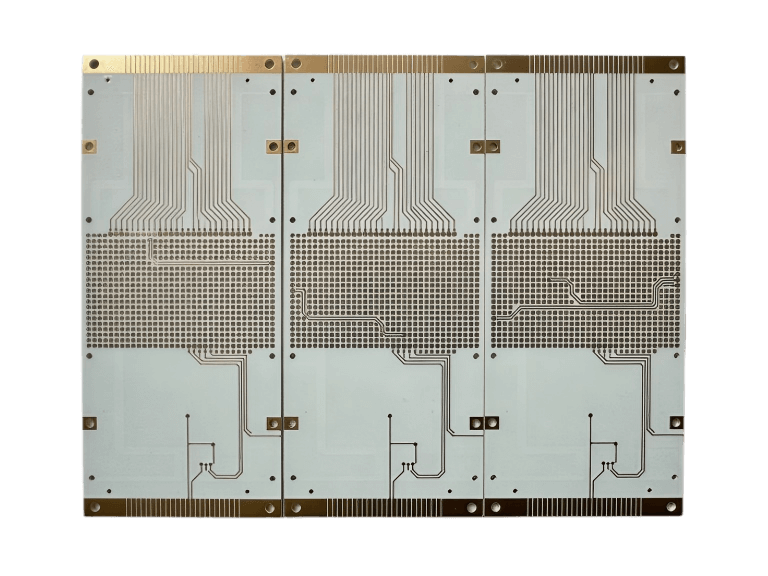
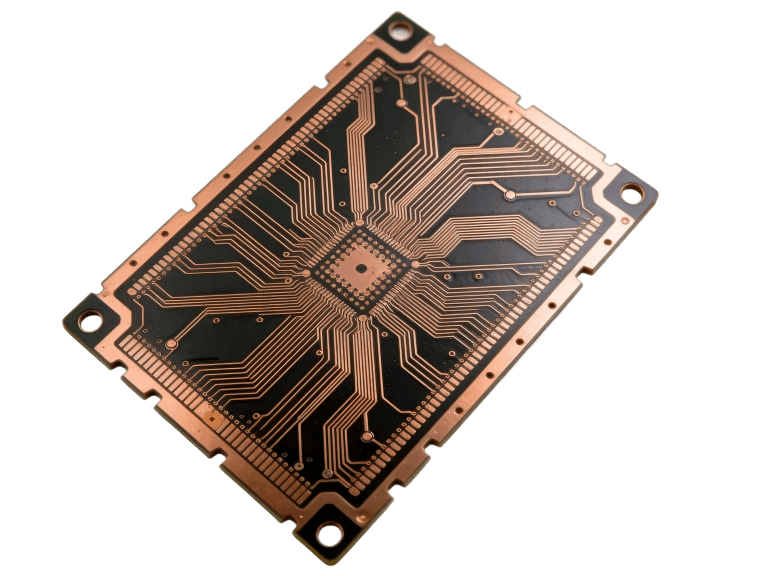
High frequency PCBs refer to printed circuit boards specifically designed for high frequency signal transmission (typically ≥1GHz). The core requirements are low signal loss, stable impedance, and good electromagnetic compatibility. The industry standard for “high frequency” is defined as an operating frequency ≥1GHz, or a signal wavelength ≤30cm (wavelength = speed of light / frequency); typical application scenarios (such as 5G communication, radar, and satellite communication) often involve frequencies ranging from 2GHz to 60GHz.
PTFE (Polytetrafluoroethylene): Dk = 2.1~2.3, Df ≤ 0.002 (lowest high frequency loss), suitable for ultra-high frequency applications (such as radar, satellite communication), but high cost and difficult to process;
Rogers materials (such as RO4350B, RO5880): Stable Dk (3.48~3.66), Df ≤ 0.004, suitable for 5G and millimeter-wave radar, high cost-performance ratio;
Modified FR-4: Dk = 3.8~4.2, Df ≤ 0.01, low cost, suitable for medium and high frequency applications (such as 2.4GHz Wi-Fi, low-end RF equipment);
BT resin: Dk = 3.6~3.8, Df ≤ 0.008, balances high-frequency performance and mechanical strength, suitable for automotive millimeter-wave radar and industrial wireless equipment.
Selection principle: The higher the frequency and the stricter the signal loss requirements, the higher the priority should be given to PTFE or Rogers materials.
Yes, the ambient temperature and humidity need to be controlled to prevent the substrate’s performance from being affected.
The core differences are concentrated in four points:
The main reasons for the high cost are:
